

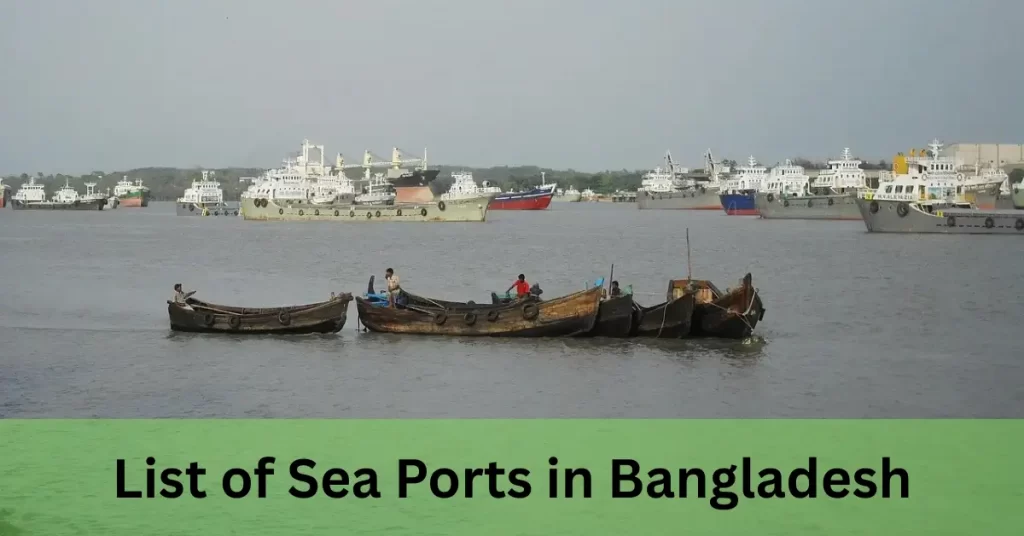
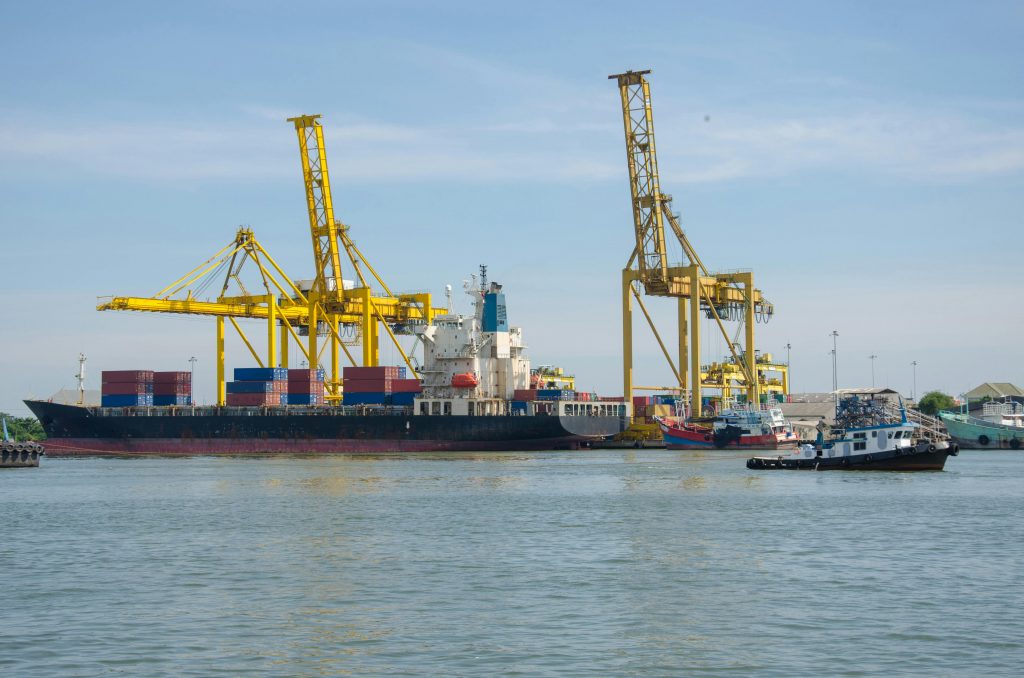
Bangladesh has three operational sea ports: Chattogram, Mongla, and Payra while Matarbari Deep Sea Port is under development as the country’s first deep-sea facility.
These major ports in Bangladesh are the lifelines of the national economy, handling over 90% of international trade and contributing roughly 4% to the national GDP. They support a vast ecosystem of vessel supply, provisions, and technical services, while driving the country’s ambitious “Blue Economy” goals.
Chattogram Port – Bangladesh’s Primary Seaport
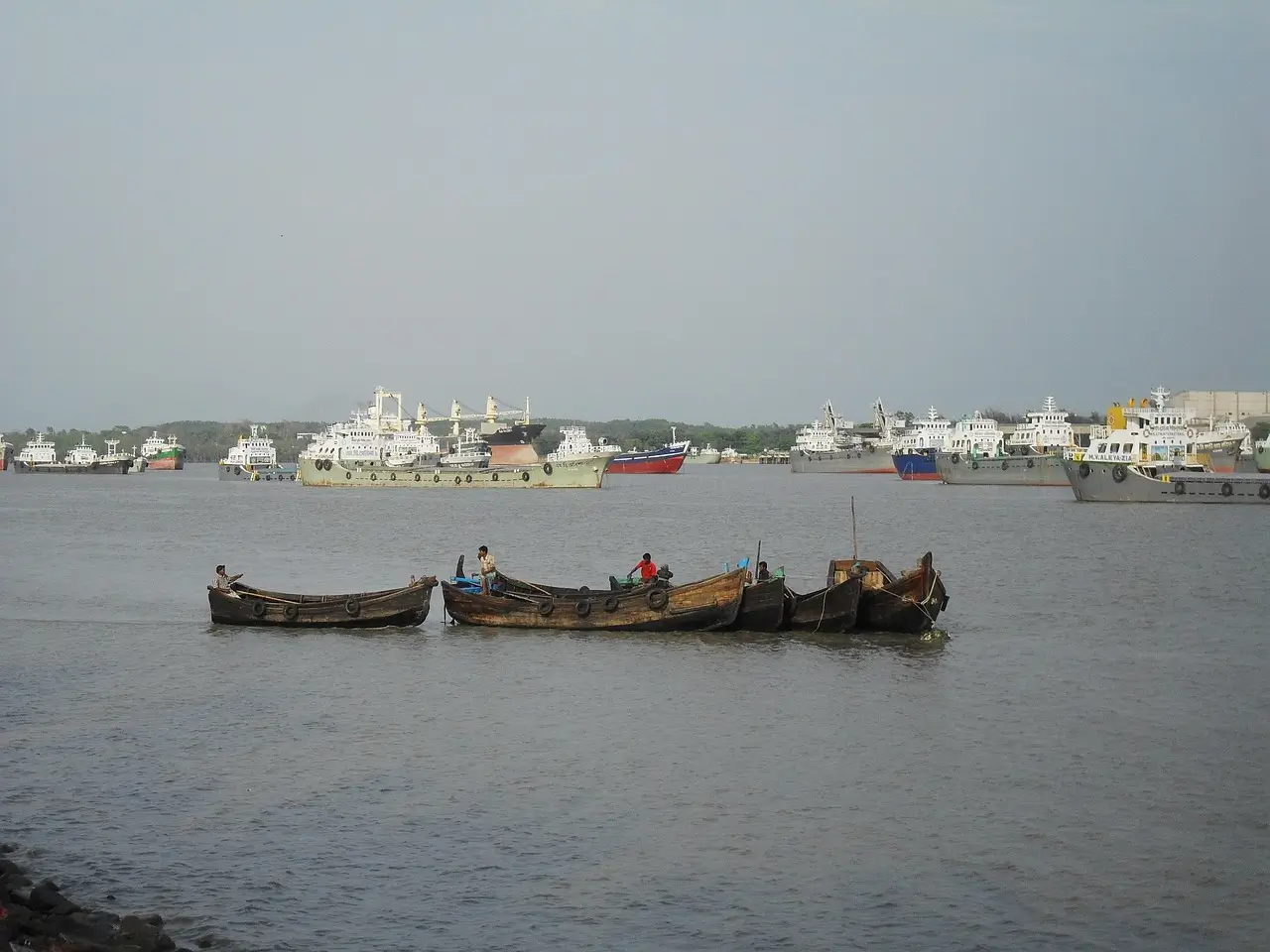
Chattogram Port, Bangladesh’s biggest and busiest seaport, sits on the Karnaphuli River. As the main port of Bangladesh, it handles roughly 90% of the country’s imports and exports, ranging from garments and machinery to fuel and food grains. It also serves as a vital transshipment hub for India, Nepal, and Bhutan.
Coordinates: 22°18′N 091°48′E | Code: BDCGP
Draft alongside: 9.5–10.5 m (tide dependent)
2024 Performance: ~3.30 million TEUs moved.
Future Outlook: In November 2025, a landmark $550 million deal was signed with APM Terminals (Maersk) to build the Laldia Container Terminal. As the country’s first “green port,” it is designed for larger vessels and is expected to be operational by 2029/30.
Mongla Port – Second Largest Seaport in Bangladesh
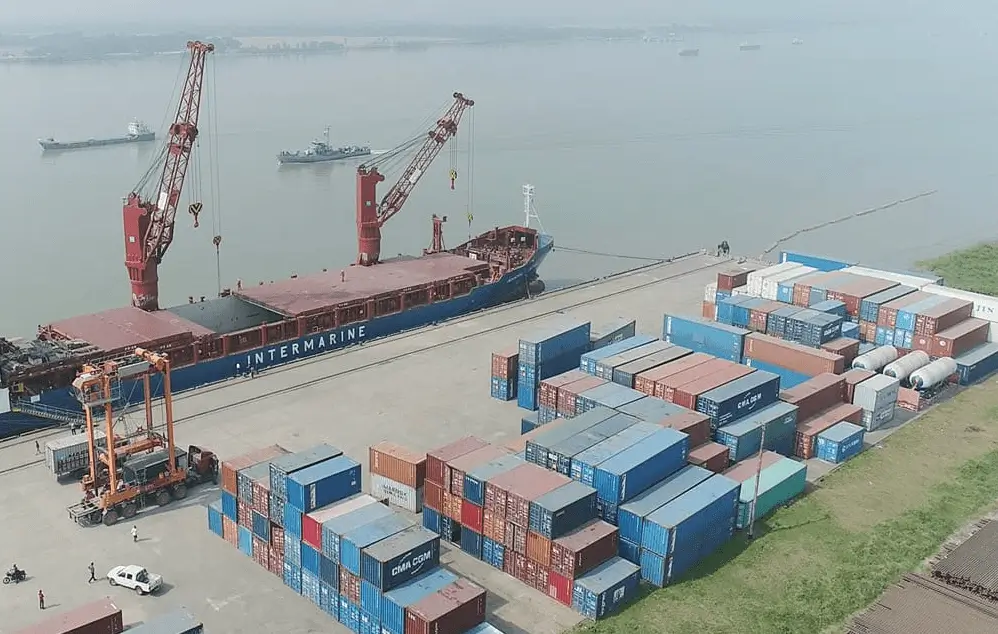
Mongla Port, Bangladesh’s second-largest seaport, is located near the Sundarbans in the southwest. It primarily handles bulk cargo such as coal, cement, grain, and fertilizers along with exports like jute, leather, and frozen seafood.
Mongla reduces congestion at Chattogram and supports regional industries, with growing demand for ship supply and support services. Its operations also emphasize environmental sustainability due to its proximity to the Sundarbans.
- Coordinates: 22°29′N 089°35′E | Code: BDMGL
- Draft: up to 10 m (dredging continues)
- Waiting time: usually less than 12 hours
Why ships love Mongla in 2025:
- Padma Bridge makes the drive to Dhaka only 4 hours.
- Fresh water is 40–50% cheaper than Chittagong.
- Almost no queue for berths.
Payra Port – Emerging Multi-Purpose Seaport
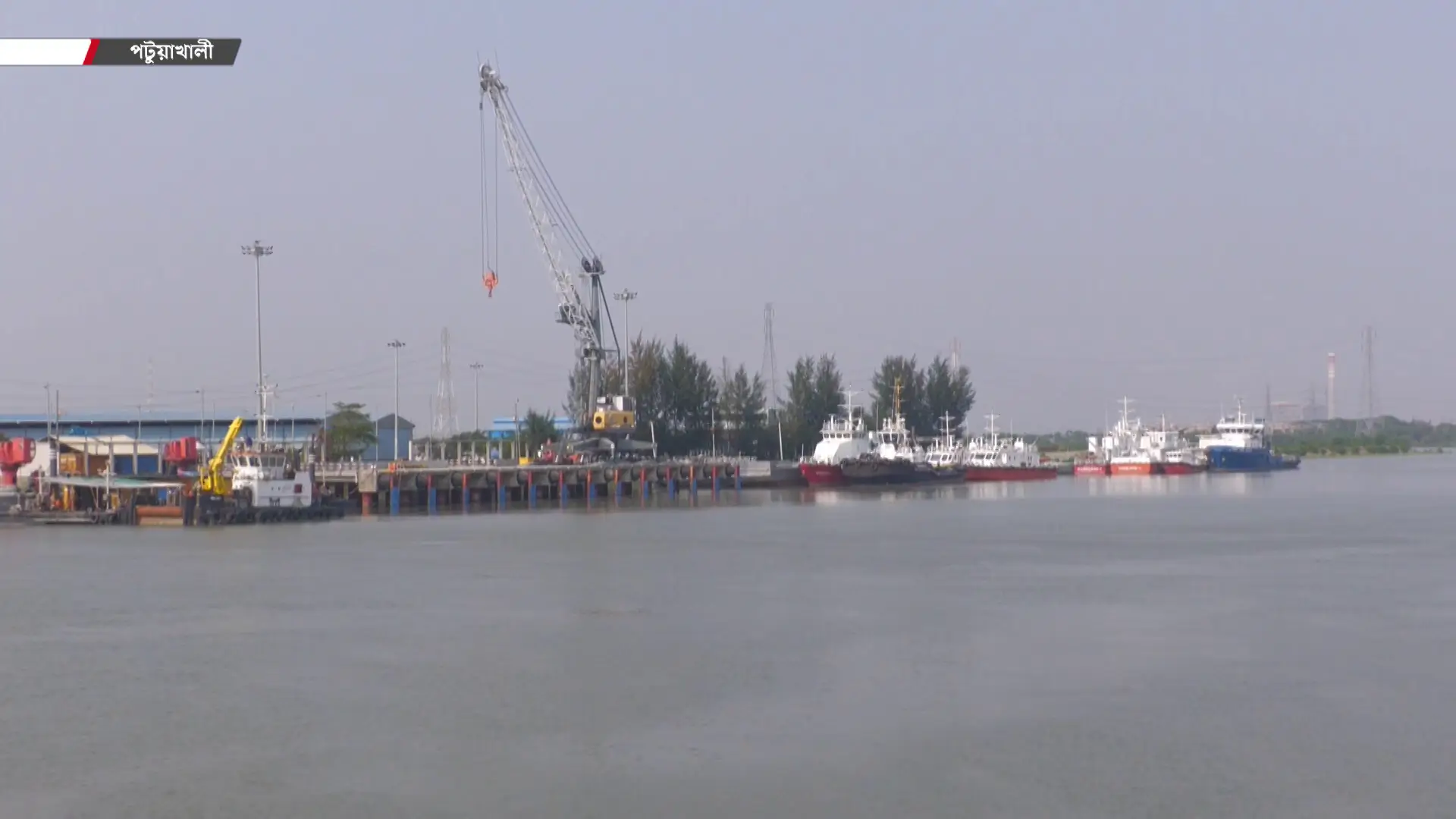
Payra Port, in southern Bangladesh’s Patuakhali district, is a new multi-purpose port developed to ease pressure on Chattogram and Mongla. It primarily handles bulk cargo such as coal, stone, LNG, and construction materials, supporting power generation and infrastructure projects.
As facilities expand, Payra is expected to accommodate larger vessels and serve industrial zones and regional trade routes, increasing demand for ship supply services including fuel, provisions, and technical support.
- Coordinates: 21°59′N 090°19′E | Code: BDPAY
- Current Draft: 6.0m (Current) / 10.5m (Design Target)
- Berths: 8 multipurpose + dedicated coal terminal
Advantages:
- No congestion – berth on arrival.
- Growing feeder container service to Colombo and Singapore.
- Excellent cyclone shelter.
| Port Name | 2024 TEU | Max Draft (m) | Dist. to Dhaka | Primary Cargo |
|---|---|---|---|---|
| Chattogram | 3.30 million | 10.5 (Tide) | ~265 km | Containers, RMG |
| Mongla | ~32,000 | 8.5 – 9.5 | ~185 km | Cars, grains |
| Payra | ~75,000 (cap) | 6.0 (Current) | ~220 km | Coal, bulk |
| Matarbari | (2029/30 Est.) | 18.5 | ~320 km | Mother Vessels, LNG |
| Bay Terminal | (2030 Est.) | 12.0 – 14.0 | ~265 km | Large container |
Minor but Useful River Ports and Private Jetties (2025)
| Terminal Name | Location | Best Use Case | Draft |
|---|---|---|---|
| Pangaon Inland Container Terminal (ICT) | Keraniganj, Dhaka | Crew change & supplies for Dhaka area | 3–4 m |
| Summit LNG Terminal | Moheshkhali Island | FSRU supply runs & technical stores | Deep-sea |
| Meghnaghat Private Jetty | Sonargaon, Narayanganj | Power plant project cargo | 6–7 m |
| Khanpur Private Cement Jetty | Narayanganj | Cement clinker discharge | 6 m |
Why These Sea Ports Matter for Bangladesh
The maritime ports of Bangladesh handle 98% of its international trade by sea (World Bank, 2024). Container volume grew 42% between 2020 and 2024 despite global disruptions. Three deep-sea port projects backed by Japan, China, and Saudi Arabia are scheduled to come online before 2030, pushing total capacity from roughly 3.5 million TEU today to 12-15 million TEU by the end of the decade.
The country jumped from 108th to 83rd on UNCTAD’s Liner Shipping Connectivity Index in just six years. In short, Bangladesh is no longer just the cheapest garment factory on earth; it is becoming a real alternative to saturated ports in Colombo, Singapore, and even some Indian gateways.
Frequently Asked Questions
How many sea ports are there in Bangladesh?
Bangladesh currently has three operational sea ports: Chattogram, Mongla, and Payra, with Matarbari Deep Sea Port under development.
Which is the busiest sea port in Bangladesh?
Chattogram Port is the busiest seaport, handling around 90 percent of the country’s international trade.
Which is the deepest sea port in Bangladesh right now?
Currently, Matarbari’s approach channel is the deepest (18.5m), but for commercial container terminals, Chattogram remains the leader until Matarbari’s terminal opens in 2029.
Which port in Bangladesh can handle large vessels?
Matarbari Deep Sea Port is being developed to accommodate large container and deep-draft vessels that existing ports cannot handle.
Can vessels take bunker fuel in Mongla and Payra?
Yes. Both ports have licensed private bunker suppliers delivering VLSFO and MGO 24/7 by barge.
Can 18,000 TEU ships call Bangladesh now?
No. Current maximum is around 6,000-8,000 TEU with tide assistance at Chattogram.
How many river ports are there in Bangladesh?
Bangladesh has several minor river ports and private jetties, including Pangaon, Summit, Meghnaghat, and Khanpur, mainly for cargo and industrial support.
Which sea port is most important for ship chandling in Bangladesh?
Chattogram Port is the most important port for ship chandling in Bangladesh due to its high vessel traffic and central role in international trade.